About the Church
The church's history begins as early as 1800, when services began to be held in the Rageliai chapel. Ten years later it was formally blessed, and by around 1837 a resident priest was already serving there. After 1850 the church was fitted with an organ, which became an important musical feature of the services.
In 1874 permission was obtained to repair the church. The following year the building was lengthened and heightened, giving it its present appearance. Around 1890 the organ was renovated once again, ensuring its continued use.
With the start of the 20th century, the Rageliai church became an important centre for the local community. In 1912–1914 a branch of the Lithuanian Catholic Temperance Society operated here, seeking to promote moral values and abstinence from alcohol. On 5 February 1936 the parish was founded, further strengthening the church's role in the region.
One of the most notable parish priests was Jurgis Šimonėlis, born in 1898. His life was not an easy one — the Soviet authorities arrested him and he was imprisoned until 1956. Despite all these hardships, the church remained a symbol of spiritual strength for the local community.
Architecturally, the Rageliai Church of the Blessed Virgin Mary has a rectangular plan, a single nave, and three altars. The churchyard is fenced, and within it stands a wooden bell tower, which completes the church ensemble and lends it particular charm.
This remarkable building not only tells its own story but is also a living witness to the faith and endurance of many people. On visiting the Rageliai Church of the Blessed Virgin Mary, one can sense both the historical and the spiritual heritage that makes this place special.
Gallery and Resources
Archive captions are shown in Lithuanian.
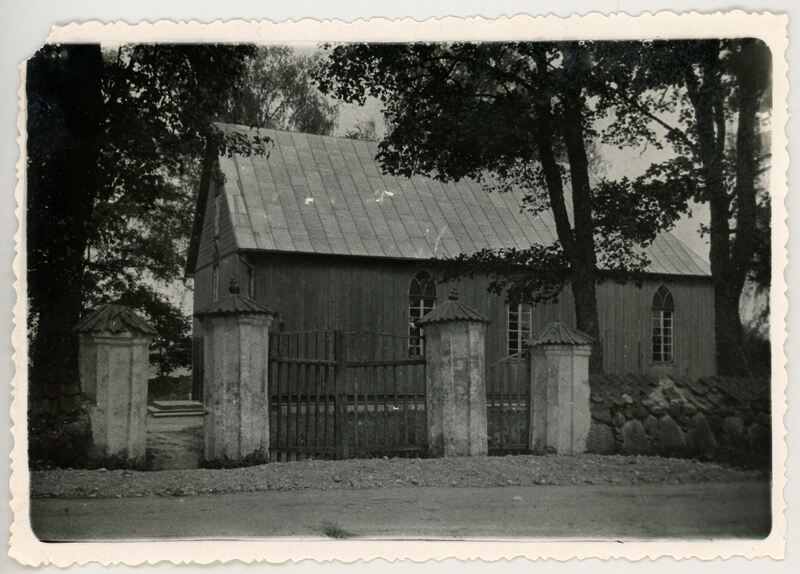
Ragelių Švč. Mergelės Marijos bažnyčia (Rokiškio apskr.) pastatyta 1875 metais. Liaudies architektūros formų, turi neogotikos bruožų, stačiakampio plano, vienanavė. Turi 3 altorius. Šventoriuje stovi medinė varpinė. Svarbiausia joje – didelis varinis varpas, kurio galingą skambėjimą girdėdavo visa apylinkė. Per karą jis buvo paslėptas, kad vokiečiai nepanaudotų patrankoms. Iš slėptuvės varpo neištraukė ir okupavus Rusijai. Ragelių varpas vėl suskambo tik po karo
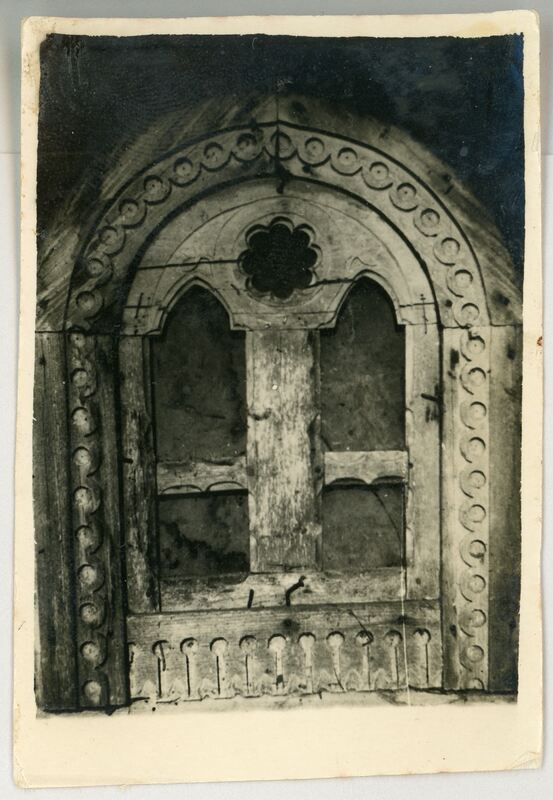
Ragelių Švč. Mergelės Marijos bažnyčia (Rokiškio apskr.) pastatyta 1875 metais. Liaudies architektūros formų, turi neogotikos bruožų, stačiakampio plano, vienanavė. Turi 3 altorius. Šventoriuje stovi medinė varpinė. Svarbiausia joje – didelis varinis varpas, kurio galingą skambėjimą girdėdavo visa apylinkė. Per karą jis buvo paslėptas, kad vokiečiai nepanaudotų patrankoms. Iš slėptuvės varpo neištraukė ir okupavus Rusijai. Ragelių varpas vėl suskambo tik po karo