About the Church
The Church of St John the Baptist in Kuršėnai is not only a place of worship but also a cultural and historical landmark of the town. The church has lived through numerous historical events and changes, which are reflected in its architecture and in the life of the community.
The first chapel in Kuršėnai was built as early as 1523. At that time it belonged to the Reformed Evangelicals, but later returned to the Catholic community. In 1622 the church was granted 31 valakas of land, giving the community greater stability and resources.
The town's history was marked by a fire in 1700, which destroyed the first church and the presbytery buildings. That same year, however, a new wooden church was built. Later, in 1801, this church was substantially renovated. The village of Trauleiniai also belonged to the church, where a parish school operated in the early 19th century.
In 1838 the need arose to build a new church, but due to obstruction from the Orthodox clergy, building permission was only granted four years later. The new wooden church, designed by the architect Krasinskis, was built in 1842–1844. The church became an important centre of revolutionary ideas – in 1863 the priest Petkevičius read out the insurgents' proclamation there.
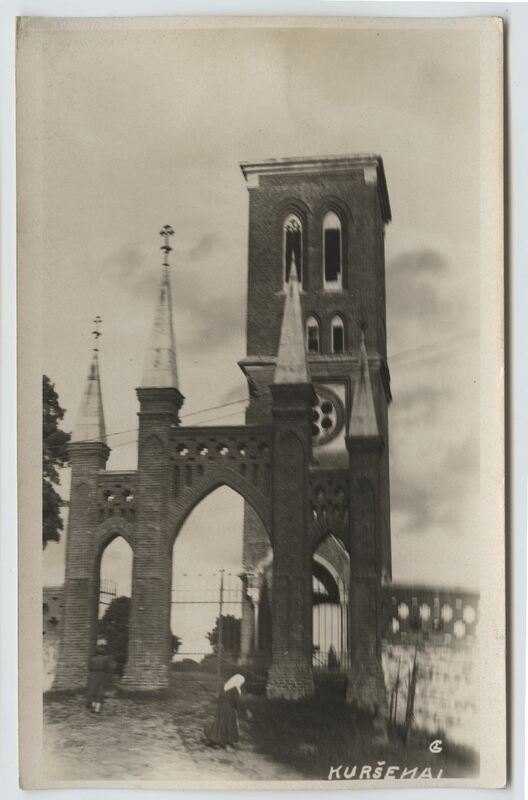
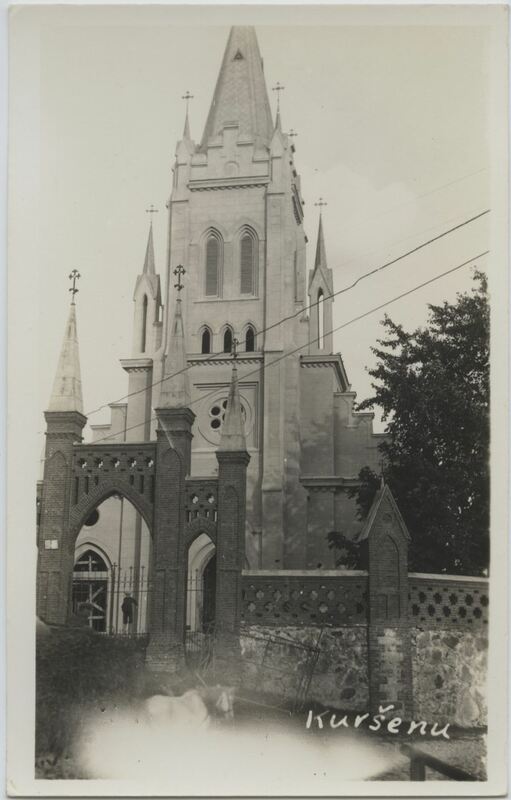
During the First World War the church was destroyed, but from 1927 to 1933 the present masonry church was built. It was consecrated by Bishop Justinas Staugaitis on 29 September 1933. The construction was overseen by canon Vaclovas Dambrauskas, who died tragically in 1941. During the Second World War the church was badly damaged, and the demolished tower was not rebuilt after the war.
Architecturally the Church of St John the Baptist in Kuršėnai is in the Historicist style, with a rectangular plan and a basilica structure. The interior is divided into three naves, with the side naves lower than the central one. Inside there are as many as 12 altars, which further enrich this sacred space. The churchyard, enclosed by a wall of fieldstone and openwork brick masonry, is also an important part of the church. Here one can find a Lourdes grotto and the Lithuanian Millennium stone, which add further historical value and memory.
Today the church serves not only as a house of faith but also as a witness to history, telling the story of the perseverance and spirituality of the Kuršėnai community across the centuries.
The first chapel in Kuršėnai was built as early as 1523. At that time it belonged to the Reformed Evangelicals, but later returned to the Catholic community. In 1622 the church was granted 31 valakas of land, giving the community greater stability and resources.
The town's history was marked by a fire in 1700, which destroyed the first church and the presbytery buildings. That same year, however, a new wooden church was built. Later, in 1801, this church was substantially renovated. The village of Trauleiniai also belonged to the church, where a parish school operated in the early 19th century.
In 1838 the need arose to build a new church, but due to obstruction from the Orthodox clergy, building permission was only granted four years later. The new wooden church, designed by the architect Krasinskis, was built in 1842–1844. The church became an important centre of revolutionary ideas – in 1863 the priest Petkevičius read out the insurgents' proclamation there.
During the First World War the church was destroyed, but from 1927 to 1933 the present masonry church was built. It was consecrated by Bishop Justinas Staugaitis on 29 September 1933. The construction was overseen by canon Vaclovas Dambrauskas, who died tragically in 1941. During the Second World War the church was badly damaged, and the demolished tower was not rebuilt after the war.
Architecturally the Church of St John the Baptist in Kuršėnai is in the Historicist style, with a rectangular plan and a basilica structure. The interior is divided into three naves, with the side naves lower than the central one. Inside there are as many as 12 altars, which further enrich this sacred space. The churchyard, enclosed by a wall of fieldstone and openwork brick masonry, is also an important part of the church. Here one can find a Lourdes grotto and the Lithuanian Millennium stone, which add further historical value and memory.
Today the church serves not only as a house of faith but also as a witness to history, telling the story of the perseverance and spirituality of the Kuršėnai community across the centuries.
Gallery and Resources