About the Church
The Leckava Church of St Lawrence is an excellent witness to history, telling of many trials and revivals. Situated on the right bank of the Venta, it lies barely half a kilometre from the state border between Lithuania and Latvia. The history of this place of prayer goes back to the 17th century.
The first Catholic church in Leckava was built in 1630, though the settlement itself already had an Evangelical Reformed church in 1622. The patron of the Catholic church was the Samogitian elder Liackis, after whom the local inhabitants named both the church and the place itself. Unfortunately, the first church burned down in 1644. But this did not stop the community – the manor lord built a new, larger church and invited two priests. This church became an important spiritual centre: from 1700 baptismal registers were kept here, and from 1706, marriage registers.
1783 was another unfortunate period – the church burned down again. But soon, in 1785, Adomas Gurskis took charge of building a new church. Despite these losses, the Leckava community never gave up. Even during the Second World War, when the church was destroyed once more, the parishioners did not lose hope.
After the war, under Soviet rule, it was difficult to obtain permission to build a new church, but returning deportees and other parishioners found ways to sustain their place of worship. In 1955 a temporary church was built in the village at their own expense. And in 1958, on the old site, in the small town, a new wooden church finally arose.
Architecturally, the church has a rectangular plan and a small tower, which gives it additional elegance. The stone masonry wall surrounding the churchyard adds solidity and historical value to the church. It is not only a house of prayer but also a place where the experience of generations intertwines, traditions are maintained and the unity of the community is strengthened.
A visit to the Leckava Church of St Lawrence will undoubtedly leave a deep impression on anyone wishing to feel the breath of the past and understand the twists of life of a small but strong community.
The first Catholic church in Leckava was built in 1630, though the settlement itself already had an Evangelical Reformed church in 1622. The patron of the Catholic church was the Samogitian elder Liackis, after whom the local inhabitants named both the church and the place itself. Unfortunately, the first church burned down in 1644. But this did not stop the community – the manor lord built a new, larger church and invited two priests. This church became an important spiritual centre: from 1700 baptismal registers were kept here, and from 1706, marriage registers.
1783 was another unfortunate period – the church burned down again. But soon, in 1785, Adomas Gurskis took charge of building a new church. Despite these losses, the Leckava community never gave up. Even during the Second World War, when the church was destroyed once more, the parishioners did not lose hope.
After the war, under Soviet rule, it was difficult to obtain permission to build a new church, but returning deportees and other parishioners found ways to sustain their place of worship. In 1955 a temporary church was built in the village at their own expense. And in 1958, on the old site, in the small town, a new wooden church finally arose.
Architecturally, the church has a rectangular plan and a small tower, which gives it additional elegance. The stone masonry wall surrounding the churchyard adds solidity and historical value to the church. It is not only a house of prayer but also a place where the experience of generations intertwines, traditions are maintained and the unity of the community is strengthened.
A visit to the Leckava Church of St Lawrence will undoubtedly leave a deep impression on anyone wishing to feel the breath of the past and understand the twists of life of a small but strong community.
Gallery and Resources
Archive captions are shown in Lithuanian.
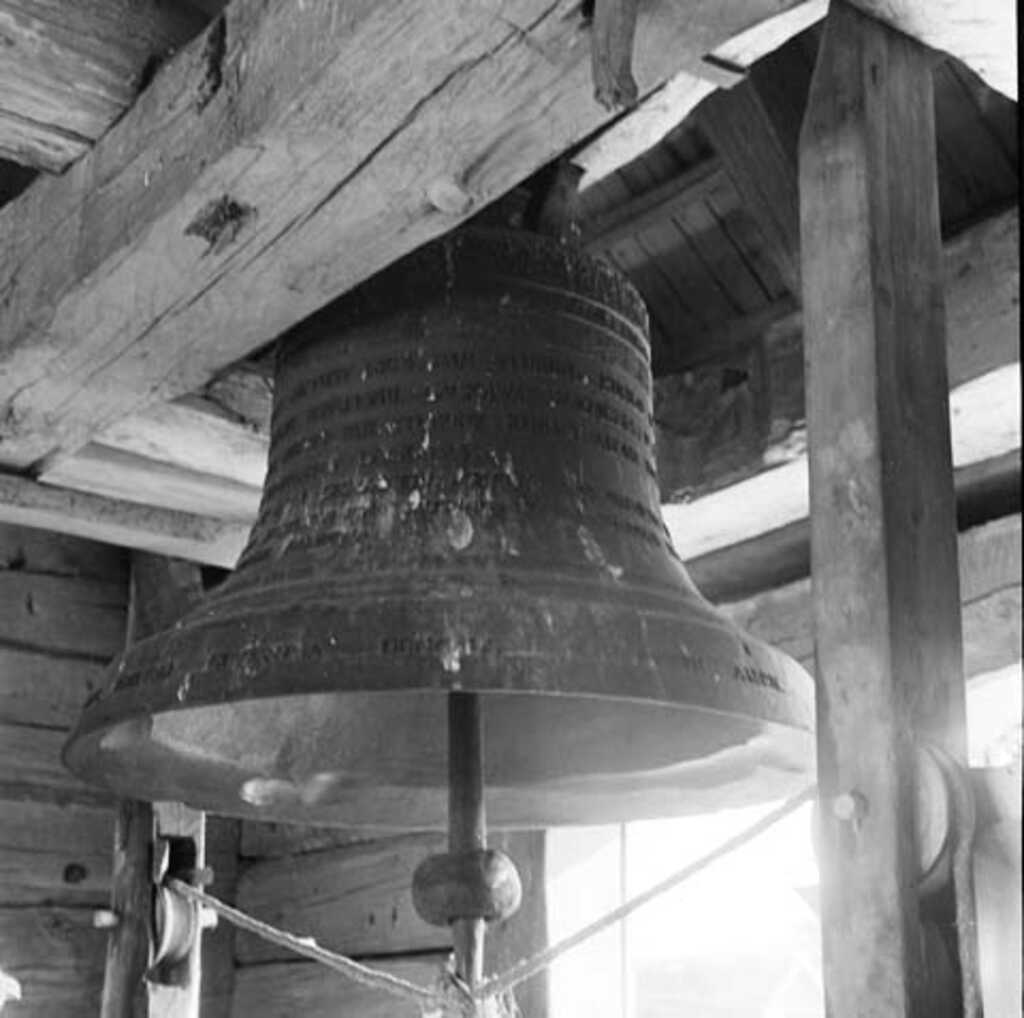
Leckavos Šv. Lauryno bažnyčios varpas.