About the Church
In Dotnuva, a town beside the Dotnuvėlė river, stands one of the most impressive sacred buildings in Lithuania – the Church of the Annunciation of the Lord to the Blessed Virgin Mary. This late Baroque building with Classicist features is not only an architectural masterpiece but also a place full of history and secrets.
The first church in Dotnuva was built even before 1636, but the present masonry church, construction of which began in 1773 and ended in 1810, is the third on this site. Local nobles contributed to its construction, especially Jonas Vladislovas Bžostovskis and his wife Konstancija Mlečkaitė, who founded a Bernardine monastery in 1701.
The monks who came to Dotnuva soon built a masonry monastery and moved five altars from the old church. Next to the sacred buildings, a parish school operated in the second half of the 18th century, which from 1796 became a three-grade school and later a six-grade one. In 1806 theological studies were conducted here, preparing future priests.
The church's history was not without dramatic moments. Priest Antanas Daukša took part in the 1831 uprising and was punished for it with four years of recollection at the Kolainiai Carmelite monastery. After the 1863 uprising, the tsarist authorities decided to close the monastery, and the monks were exiled or imprisoned.
On 14 August 1911 a fire broke out in Dotnuva, severely damaging the church – the roof burned down and the bells fell. But the community did not give up, and the church was renovated, restoring its former grandeur.
The Soviet era was also not easy. In 1948 the Dotnuva vicar Mykolas Buožius was arrested and sentenced to ten years' imprisonment, returning to Lithuania only in 1956. Despite all the hardships, Capuchin monks settled in Dotnuva again in 1990.
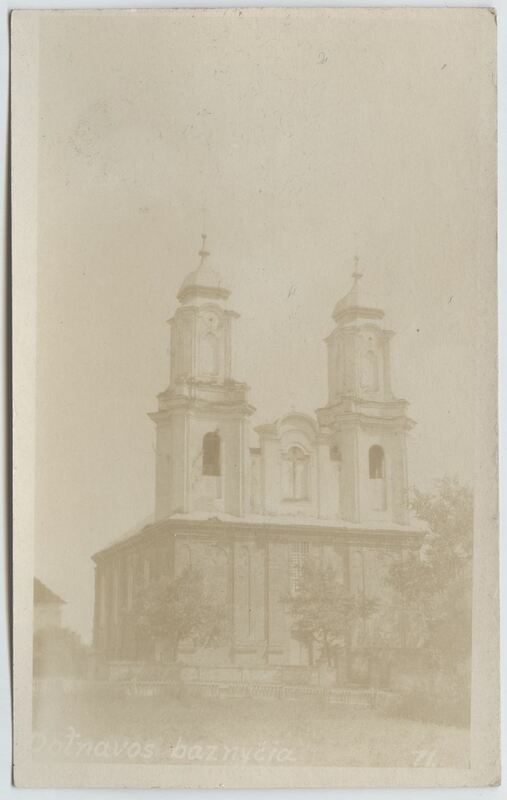
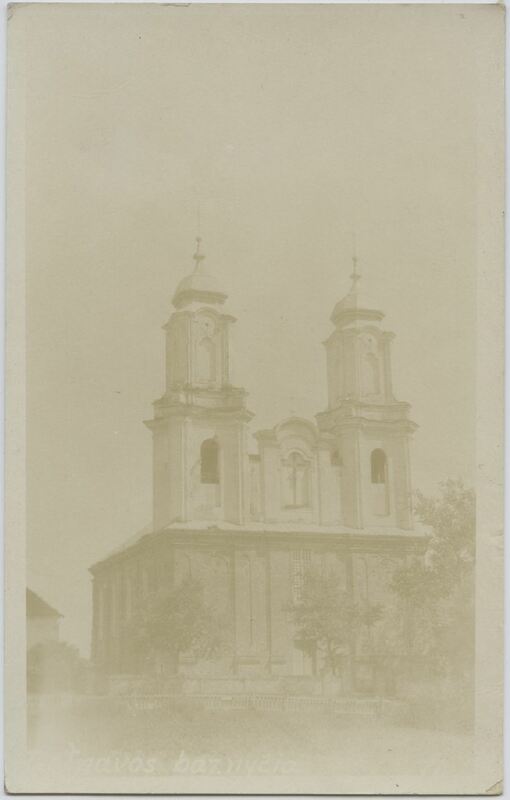
Architecturally, the church is a hall church, three-aisled and two-towered, radiating late Baroque grandeur with Classicist elements. Its facade, which adorns the Dotnuva landscape, is a true synthesis of art and history.
The Church of the Annunciation of the Lord to the Blessed Virgin Mary in Dotnuva is not only a religious but also a cultural heritage site, linking the past with the present and inviting visitors to feel the breath of history.
The first church in Dotnuva was built even before 1636, but the present masonry church, construction of which began in 1773 and ended in 1810, is the third on this site. Local nobles contributed to its construction, especially Jonas Vladislovas Bžostovskis and his wife Konstancija Mlečkaitė, who founded a Bernardine monastery in 1701.
The monks who came to Dotnuva soon built a masonry monastery and moved five altars from the old church. Next to the sacred buildings, a parish school operated in the second half of the 18th century, which from 1796 became a three-grade school and later a six-grade one. In 1806 theological studies were conducted here, preparing future priests.
The church's history was not without dramatic moments. Priest Antanas Daukša took part in the 1831 uprising and was punished for it with four years of recollection at the Kolainiai Carmelite monastery. After the 1863 uprising, the tsarist authorities decided to close the monastery, and the monks were exiled or imprisoned.
On 14 August 1911 a fire broke out in Dotnuva, severely damaging the church – the roof burned down and the bells fell. But the community did not give up, and the church was renovated, restoring its former grandeur.
The Soviet era was also not easy. In 1948 the Dotnuva vicar Mykolas Buožius was arrested and sentenced to ten years' imprisonment, returning to Lithuania only in 1956. Despite all the hardships, Capuchin monks settled in Dotnuva again in 1990.
Architecturally, the church is a hall church, three-aisled and two-towered, radiating late Baroque grandeur with Classicist elements. Its facade, which adorns the Dotnuva landscape, is a true synthesis of art and history.
The Church of the Annunciation of the Lord to the Blessed Virgin Mary in Dotnuva is not only a religious but also a cultural heritage site, linking the past with the present and inviting visitors to feel the breath of history.
Gallery and Resources