About the Church
The Church of St George in Smilgiai is a wonderful Baroque-style building standing in the small town of Smilgiai, near the road leading from Panevėžys to Pakruojis. This wooden church is not only an architectural masterpiece but also the cultural and spiritual centre of the local community.
The church's history begins as early as the 17th century, when it was first mentioned in 1645 in the inventory of Šeduva eldership. Over many years the church underwent considerable change. In 1655 the villages of Gikoniai and Čelkiai, with extensive land holdings, were donated to the church, and in 1690 it was rebuilt through the efforts of the priest Jurgis Jakševičius.
In 1761 the old church was replaced by a new building, erected on the initiative of the parish priest Antanas Vaitelis and Count Jonas Jurgis Flemingas. The new church was built of pine logs, hewn with axes, and had six altars, fitted out as early as 1768. Time and circumstances did not stand still, however: in the mid-19th century the church's facade and towers were rebuilt, and in 1873, through the efforts of the parish priest, prelate J. Rodavičius, the walls were reinforced, the interior repainted and the altars rearranged.
An important period in the church's history was the years of the press ban, when the priest M. Opulskis actively distributed Lithuanian books and prayer books. The priest Domininkas Tuskenis-Tuskevičius even set up a secret library, which was later handed over to a Pavasarininkai (Catholic youth) group.
Architecturally, the church is Baroque and cruciform in plan, with a three-sided apse and a two-tower facade. The interior is dominated by elements of the Baroque era, and the high altar is notable for its Rococo-form wooden sculptures. The church also has three naves and is adorned with paintings by Povilas Puzinas.
Since the early 20th century the church has had its original bell tower, which, during the period when the Lithuanian press was banned, served as a hiding place for book smugglers (knygnešiai). This testifies to the local community's determination to preserve and foster its culture and language.
Today the Church of St George in Smilgiai is not only a historic monument but also a living place of religious activity, where local people gather for prayer and feasts. It is undoubtedly one of the architectural gems of Panevėžys district, telling of the community's cohesion and endurance, past and present.
The church's history begins as early as the 17th century, when it was first mentioned in 1645 in the inventory of Šeduva eldership. Over many years the church underwent considerable change. In 1655 the villages of Gikoniai and Čelkiai, with extensive land holdings, were donated to the church, and in 1690 it was rebuilt through the efforts of the priest Jurgis Jakševičius.
In 1761 the old church was replaced by a new building, erected on the initiative of the parish priest Antanas Vaitelis and Count Jonas Jurgis Flemingas. The new church was built of pine logs, hewn with axes, and had six altars, fitted out as early as 1768. Time and circumstances did not stand still, however: in the mid-19th century the church's facade and towers were rebuilt, and in 1873, through the efforts of the parish priest, prelate J. Rodavičius, the walls were reinforced, the interior repainted and the altars rearranged.
An important period in the church's history was the years of the press ban, when the priest M. Opulskis actively distributed Lithuanian books and prayer books. The priest Domininkas Tuskenis-Tuskevičius even set up a secret library, which was later handed over to a Pavasarininkai (Catholic youth) group.
Architecturally, the church is Baroque and cruciform in plan, with a three-sided apse and a two-tower facade. The interior is dominated by elements of the Baroque era, and the high altar is notable for its Rococo-form wooden sculptures. The church also has three naves and is adorned with paintings by Povilas Puzinas.
Since the early 20th century the church has had its original bell tower, which, during the period when the Lithuanian press was banned, served as a hiding place for book smugglers (knygnešiai). This testifies to the local community's determination to preserve and foster its culture and language.
Today the Church of St George in Smilgiai is not only a historic monument but also a living place of religious activity, where local people gather for prayer and feasts. It is undoubtedly one of the architectural gems of Panevėžys district, telling of the community's cohesion and endurance, past and present.
Gallery and Resources
Archive captions are shown in Lithuanian.
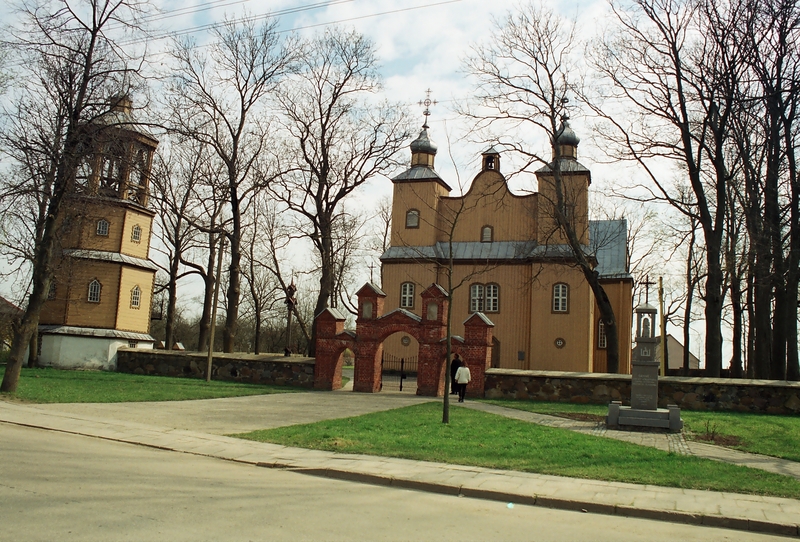
Smilgių (Panevėžio r.) Šv. Jurgio bažnyčia ir varpinė. 1999 m.
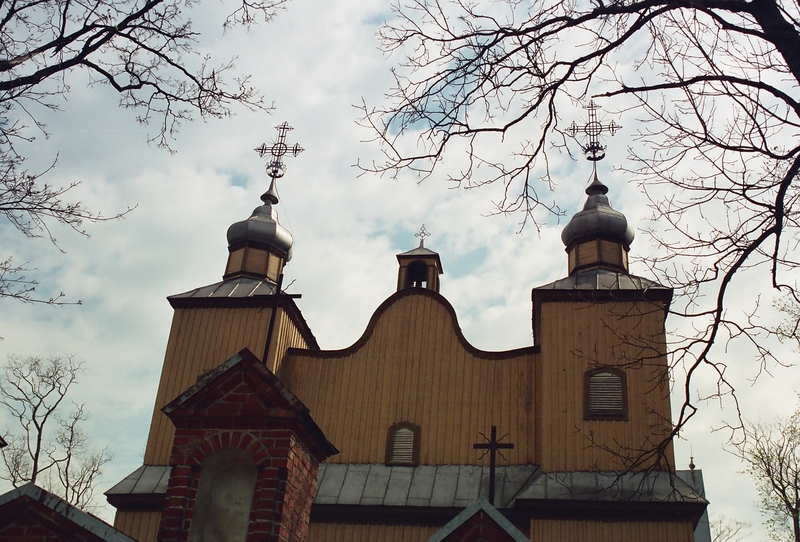
Smilgių (Panevėžio r.) Šv. Jurgio bažnyčia. 1999 m.