About the Church
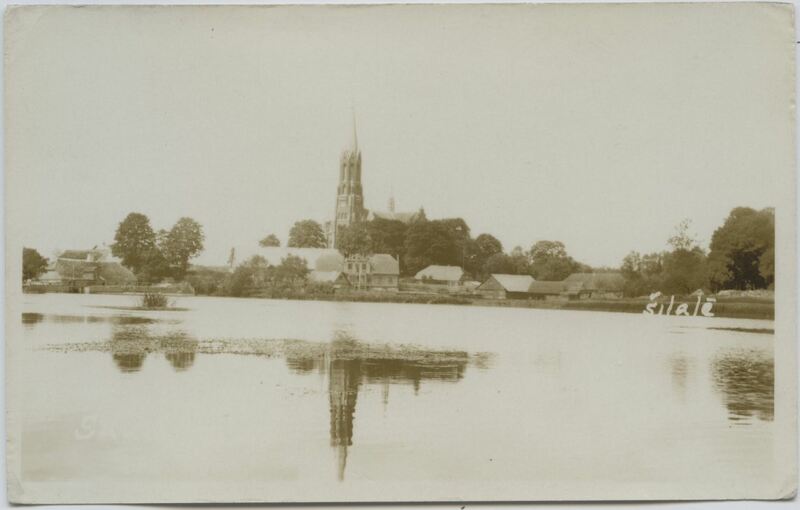
The Šilalė Church of St Francis of Assisi is an impressive architectural and historical monument in Šilalė. This church is important not only as a religious centre but also as a treasury of culture and art.
The church's history goes back to 1533, when the landowner Orvydas built the first wooden church. The beginnings were difficult: the local parish priest Jonas Tartyla was forced to leave the parish for propagating Reformation ideas. At the end of the 16th century the church belonged to the Protestants, but in the 17th century it was returned to the Catholics.
Interestingly, already in the 18th century the Šilalė church was patronised by prominent people of the time. For example, Franciszek Piłsudski built a new masonry church in 1769, and his son Jan Piłsudski even endowed an altar benefice. Unfortunately, the church was badly damaged by fire in 1829, but was quickly repaired.
At the end of the 19th century large-scale renovation of the church began. The architect J. Dzekonskis drew up a design for a new masonry church, which was approved in 1900. Thanks to the efforts of the parish priest, Prelate B. Pacevičius, and Canon Pr. Kuodis, and at the parishioners' expense, the present Gothic Revival church was built in 1905–1909. Bishop Gasparas Cirtautas blessed the cornerstone of the church under construction, and on 8 November 1909 Canon Pranciškus Pacevičius consecrated it.
Since 2007 three priests have served at the church, among them Stasys Toleikis, the youngest dean in the Diocese of Telšiai.
The church's architecture is especially impressive. It is a single-towered, cross-plan Gothic Revival church, its tower rising to almost 60 metres. The interior is adorned with sixteen stained-glass windows, created up to 1914, depicting various saints. Also to be found here are around twenty valuable wooden sculptures from the 18th–19th centuries, among which the sculpture of the Crucified Christ stands out.
An important feature of the church is the organ, made in 1912 by the Königsberg master Bruno Gėbel. This instrument is one of the master's largest works in Lithuania and has survived to this day almost unchanged. In the church's sacristy there is a small museum of church art and history, holding valuable items, including a painting of St Anne from the 19th century.
In 2014 a Lourdes grotto was rebuilt and blessed by the main churchyard gates; it had originally been set up in 1941 in the hope of protecting the church from wartime destruction.
The Šilalė Church of St Francis of Assisi is a fine example of Lithuania's cultural and historical heritage, admired not only for its architecture but also for its rich history and the community's determination to keep this church alive.
The church's history goes back to 1533, when the landowner Orvydas built the first wooden church. The beginnings were difficult: the local parish priest Jonas Tartyla was forced to leave the parish for propagating Reformation ideas. At the end of the 16th century the church belonged to the Protestants, but in the 17th century it was returned to the Catholics.
Interestingly, already in the 18th century the Šilalė church was patronised by prominent people of the time. For example, Franciszek Piłsudski built a new masonry church in 1769, and his son Jan Piłsudski even endowed an altar benefice. Unfortunately, the church was badly damaged by fire in 1829, but was quickly repaired.
At the end of the 19th century large-scale renovation of the church began. The architect J. Dzekonskis drew up a design for a new masonry church, which was approved in 1900. Thanks to the efforts of the parish priest, Prelate B. Pacevičius, and Canon Pr. Kuodis, and at the parishioners' expense, the present Gothic Revival church was built in 1905–1909. Bishop Gasparas Cirtautas blessed the cornerstone of the church under construction, and on 8 November 1909 Canon Pranciškus Pacevičius consecrated it.
Since 2007 three priests have served at the church, among them Stasys Toleikis, the youngest dean in the Diocese of Telšiai.
The church's architecture is especially impressive. It is a single-towered, cross-plan Gothic Revival church, its tower rising to almost 60 metres. The interior is adorned with sixteen stained-glass windows, created up to 1914, depicting various saints. Also to be found here are around twenty valuable wooden sculptures from the 18th–19th centuries, among which the sculpture of the Crucified Christ stands out.
An important feature of the church is the organ, made in 1912 by the Königsberg master Bruno Gėbel. This instrument is one of the master's largest works in Lithuania and has survived to this day almost unchanged. In the church's sacristy there is a small museum of church art and history, holding valuable items, including a painting of St Anne from the 19th century.
In 2014 a Lourdes grotto was rebuilt and blessed by the main churchyard gates; it had originally been set up in 1941 in the hope of protecting the church from wartime destruction.
The Šilalė Church of St Francis of Assisi is a fine example of Lithuania's cultural and historical heritage, admired not only for its architecture but also for its rich history and the community's determination to keep this church alive.
Gallery and Resources
Archive captions are shown in Lithuanian.
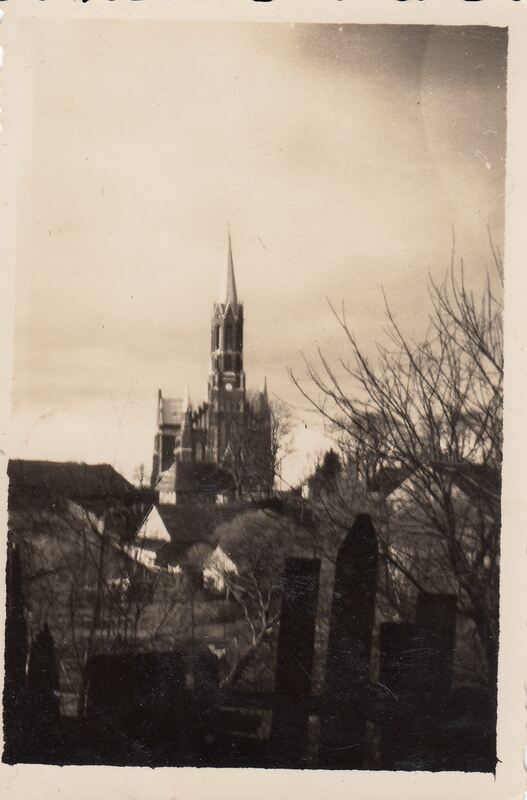
Nespalvota nuotrauka. Tolumoje matyti Šilalės Šv. Pranciškaus Asyžiečio bažnyčia.