About the Church
The Church of the Holy Trinity in Rūdninkai is a beautiful example of wooden architecture, located in the village of Rūdninkai, near the town of Baltoji Vokė, on the bank of the river Merkys. Although the church itself was built in 1884, its history is far older and rich in interesting and dramatic events.
The first parish in Rūdninkai was established as early as 1511. The first church here was also built at that time. In 1614 this church was granted a farmstead with peasants and an inn, showing the parish's importance to the local community. But, as was often the case in those days, the church suffered during wars. In 1655, during the war with Muscovy, it was burned down, and a description from 1713 records that the church was roofless and had four broken windows. The presbytery at that time was in poor condition: without stoves, windows or a roof. Not a single peasant house remained in Rūdninkai at all. This shows the scale of the disaster that had struck this small settlement.
Nevertheless, the parish revived. In 1775 a storm destroyed the church, but services continued in the chapel of the Bernardine farmstead. In 1790 the church was rebuilt and the parish restored. Later, in 1835, the place of worship was repaired, and in 1845 an altar was brought from the closed Bernardine church in Trakai. These actions show the community's constant efforts to maintain its spiritual centre.
Finally, in 1884 the present wooden church was rebuilt. Interestingly, in that same year, data collected by the authorities showed that 87 per cent of the inhabitants of Rūdninkai parish spoke Lithuanian, although services and sermons were held only in Polish. This reflects the cultural and political context of the time and the issues of national identity.
Architecturally, the church in Rūdninkai has a rectangular plan with a porch and a small tower, and a wooden bell tower stands in the churchyard. This simple but elegant design beautifully reflects the traditions of Lithuania's wooden sacred architecture.
From 1964 the parish priest of the church was Leonas Lavcevičius (1895–1981), a former Siberian deportee, who is buried in the churchyard. His ministry and life story lend this corner of the shrine added depth and meaning.
The Church of the Holy Trinity in Rūdninkai not only serves as a religious centre but also as a witness to history, recalling the community's resolve and endurance across the centuries.
The first parish in Rūdninkai was established as early as 1511. The first church here was also built at that time. In 1614 this church was granted a farmstead with peasants and an inn, showing the parish's importance to the local community. But, as was often the case in those days, the church suffered during wars. In 1655, during the war with Muscovy, it was burned down, and a description from 1713 records that the church was roofless and had four broken windows. The presbytery at that time was in poor condition: without stoves, windows or a roof. Not a single peasant house remained in Rūdninkai at all. This shows the scale of the disaster that had struck this small settlement.
Nevertheless, the parish revived. In 1775 a storm destroyed the church, but services continued in the chapel of the Bernardine farmstead. In 1790 the church was rebuilt and the parish restored. Later, in 1835, the place of worship was repaired, and in 1845 an altar was brought from the closed Bernardine church in Trakai. These actions show the community's constant efforts to maintain its spiritual centre.
Finally, in 1884 the present wooden church was rebuilt. Interestingly, in that same year, data collected by the authorities showed that 87 per cent of the inhabitants of Rūdninkai parish spoke Lithuanian, although services and sermons were held only in Polish. This reflects the cultural and political context of the time and the issues of national identity.
Architecturally, the church in Rūdninkai has a rectangular plan with a porch and a small tower, and a wooden bell tower stands in the churchyard. This simple but elegant design beautifully reflects the traditions of Lithuania's wooden sacred architecture.
From 1964 the parish priest of the church was Leonas Lavcevičius (1895–1981), a former Siberian deportee, who is buried in the churchyard. His ministry and life story lend this corner of the shrine added depth and meaning.
The Church of the Holy Trinity in Rūdninkai not only serves as a religious centre but also as a witness to history, recalling the community's resolve and endurance across the centuries.
Gallery and Resources
Archive captions are shown in Lithuanian.
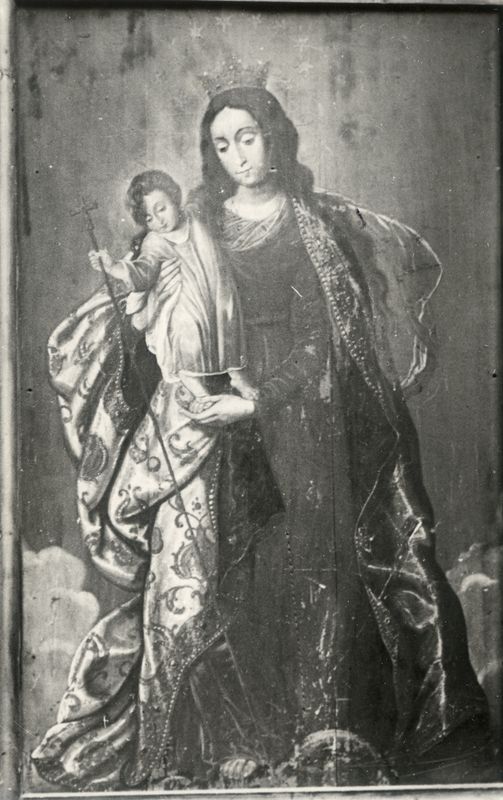
Rūdninkų (Šalčininkų r.) Šv. Trejybės bažnyčia – stačiakampio plano, medinė, su prieangiu ir bokšteliu, pastatyta 1884 m. Vaizde – Švč. Dievo Motinos su Kūdikiu ant rankų paveikslas.
Aprašė Aldona Rudzevičienė
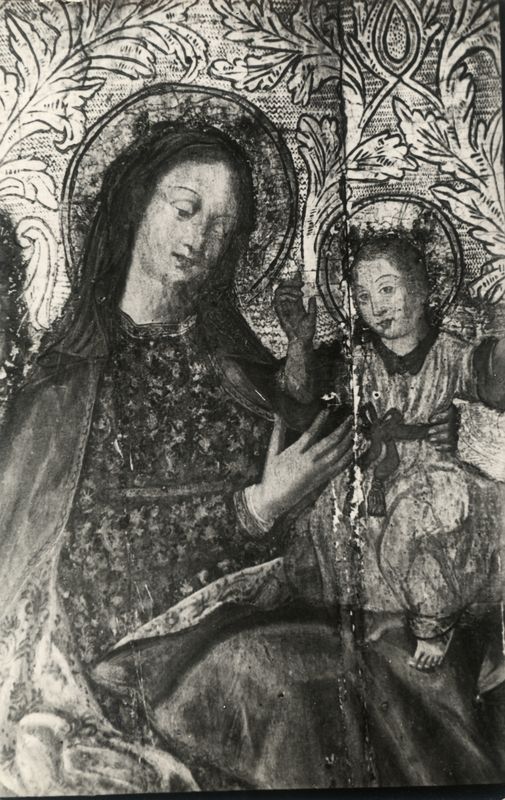
Rūdninkų (Šalčininkų r.) Šv. Trejybės bažnyčia – stačiakampio plano, medinė, su prieangiu ir bokšteliu, pastatyta 1884 m. Vaizde – Švč. Dievo Motinos su Kūdikėliu ant rankų paveikslas.
Aprašė Aldona Rudzevičienė