About the Church
The Church of St Stanislaus the Bishop and St Francis of Assisi in Paparčiai is an extraordinary monument of Lithuanian culture, standing in the quiet surroundings of the village of Paparčiai in Kaišiadorys district. This wooden structure, built in 1916, retains a magical air of Baroque style with Gothic elements.
Although the present church was built in the early 20th century, its history reaches back much further. The first church here appeared before 1522, but in the second half of the 16th century it was taken over by Evangelical Reformed. It was returned to the Catholics only in 1614. In 1649 the Treasurer of the Grand Duchy of Lithuania, Stanislovas Beinartas, founded a Dominican monastery in Paparčiai and donated it several farmsteads. The Dominicans cared for the spiritual and secular affairs of the local community – among other things, they founded a primary school and built up a substantial library, which held as many as 1072 volumes.
The 19th century brought great trials. In 1812 the church and monastery were plundered by Napoleon's army, and in 1864 the tsarist authorities closed the monastery and quartered Russian soldiers in it. At that time about 6000 books were discovered and confiscated. In 1890 the monastery and the church were demolished, and only the masonry chapel of Paparčiai and the monastery gate have survived to this day.
In the early 20th century, on the initiative of Father Jurgis Zimkus, construction of a new church began. The wooden church built in 1916 became the new centre of the parish. Unfortunately, history continued to deal out trials: in 1919 Polish soldiers robbed the parish priest and murdered his housekeeper, but the community managed to recover and repair the church after the Second World War.
Architecturally, the church stands out for its rectangular plan and single tower, which complements the overall harmonious appearance. Inside, the church is divided into three naves, separated by rows of round columns, which give the interior a sense of space and light. In the cemetery beside the church you will find a wooden cross with a small chapel, recalling the piety and traditions of past generations.
When you visit this church, you will be able not only to admire its architecture, but also to sense the centuries-long spiritual history preserved by the walls and people of this place.
Although the present church was built in the early 20th century, its history reaches back much further. The first church here appeared before 1522, but in the second half of the 16th century it was taken over by Evangelical Reformed. It was returned to the Catholics only in 1614. In 1649 the Treasurer of the Grand Duchy of Lithuania, Stanislovas Beinartas, founded a Dominican monastery in Paparčiai and donated it several farmsteads. The Dominicans cared for the spiritual and secular affairs of the local community – among other things, they founded a primary school and built up a substantial library, which held as many as 1072 volumes.
The 19th century brought great trials. In 1812 the church and monastery were plundered by Napoleon's army, and in 1864 the tsarist authorities closed the monastery and quartered Russian soldiers in it. At that time about 6000 books were discovered and confiscated. In 1890 the monastery and the church were demolished, and only the masonry chapel of Paparčiai and the monastery gate have survived to this day.
In the early 20th century, on the initiative of Father Jurgis Zimkus, construction of a new church began. The wooden church built in 1916 became the new centre of the parish. Unfortunately, history continued to deal out trials: in 1919 Polish soldiers robbed the parish priest and murdered his housekeeper, but the community managed to recover and repair the church after the Second World War.
Architecturally, the church stands out for its rectangular plan and single tower, which complements the overall harmonious appearance. Inside, the church is divided into three naves, separated by rows of round columns, which give the interior a sense of space and light. In the cemetery beside the church you will find a wooden cross with a small chapel, recalling the piety and traditions of past generations.
When you visit this church, you will be able not only to admire its architecture, but also to sense the centuries-long spiritual history preserved by the walls and people of this place.
Gallery and Resources
Archive captions are shown in Lithuanian.
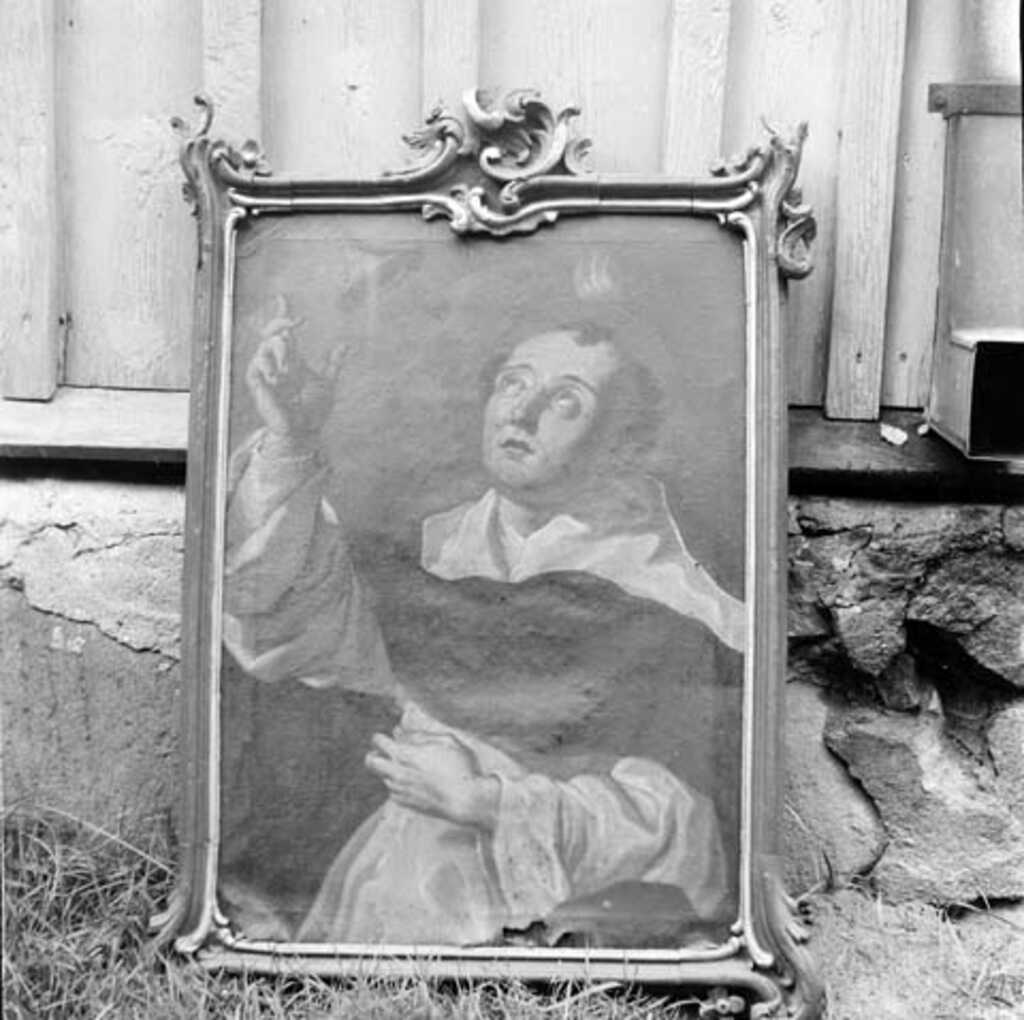
Paparčių Šv. vyskupo Stanislovo ir Šv. Pranciškaus Asyžiečio bažnyčios paveikslas.