About the Church
Let us delve into the history of Žasliai St George Church, which is not only an architectural monument but also a place where past events and human fates intertwine. This church rises in the town of Žasliai, beside the calm Lake Žasliai, and its historic walls attest to the faith and devotion of many generations.
The first church was built as early as 1462, when the administrators of the Žasliai manor, Mykolas and Jonas Nacius, decided to renovate the old one and set aside part of their wealth for its upkeep. Unfortunately, in the 17th century the church collapsed and services were held in a temporary shelter.
In 1674 the parish priests Petras Juodzevičius and Mykolas Senkevičius built a new wooden church. This church became an important centre of the community – in 1777 a parish school began operating by the church, and in 1817 the church's towers were demolished and a narthex was built.
In the mid-19th century the church was rebuilt again, but the wish to build a masonry church was fulfilled only later, owing to tsarist prohibitions. Finally, in 1897-1902, on the initiative of the parish priest Kazimieras Kybelis and to a design by the engineer M. Titenbrukas, the masonry church was built. The priest Kazimieras Kybelis formed a Lithuanian church choir and, despite persecution by the tsarist authorities, worked actively in the parish.
During the First World War the church was damaged – shells pierced the southern wall and knocked down the towers. But after the war the church was rebuilt, and in 1929 it was consecrated by Bishop Juozapas Kukta. The Chapel of Christ's Passion was also built in the churchyard in 1933.
In 1940 unrest arose over demands by the local Polish minority to introduce Polish-language services, leading to NKVD interrogations. After the Second World War many priests were arrested and deported, among them the parish priest Jonas Mikučionis, who returned gravely ill and died soon after.
The church's architecture is distinctive – it is Historicist, with many Neo-Gothic elements. A Latin-cross plan and a two-tower facade give it grandeur. Inside, the church has three aisles and vaults. In the churchyard one can find the old cemetery, the Chapel of Christ's Passion, and the graves of parish priests and local nobility, among them the Zaleskiai crypt.
Thus, Žasliai St George Church is not only a religious centre but also a witness to history, in which are reflected not only matters of faith but also the twists of Lithuania's history.
Gallery and Resources
Archive captions are shown in Lithuanian.
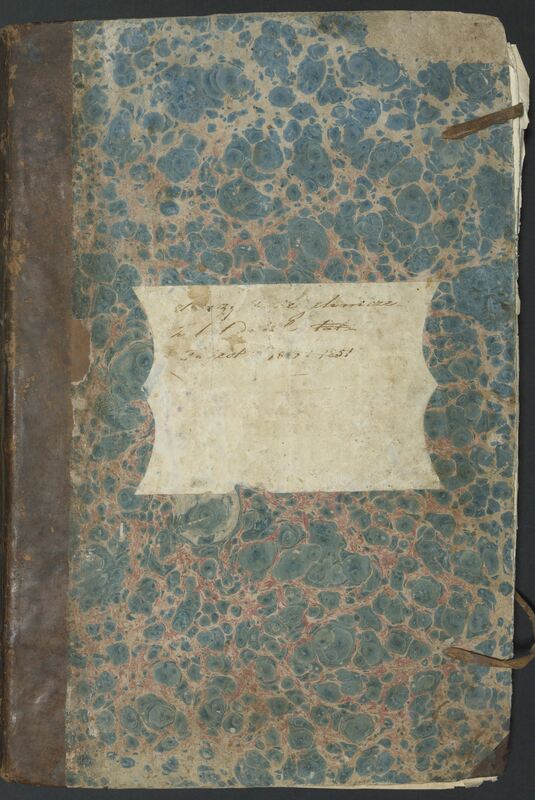
Iš Trakų šv. Mergelės Marijos apsireiškimo parapijinės bažnyčios archyvo. Į bylą surišti raštai gauti iš: Vilniaus vyskupijos Dvasinės konsistorijos, Vilniaus vyskupo Šv. Apaštališkosios sostinės subdelegato Vaclovo Žilinsko, Vilniaus diecezijos vienuolynų vizitatoriaus, Vilniaus dvasinės seminarijos, Vilniaus Zemstvos teismo, Trakų apskrities raupų komiteto, Trakų apskrities 1-mos girininkijos Trakų apskrities pristavo, Paparčių valsčiaus valdybos, Kietaviškių, Gegužinės, Užuguosčio, Vievio, Svedasų, Obelių, Papračių, Naujųjų Trakų, Semeliškių, Senųjų Trakų, Barboriškių bažnyčių, Papračių Domininkonų vienuolyno prioro, Kruonio ir Vievio cerkvių dvasininkų, pavienių asmenų. Visi raštai adresuoti į Žaslių šv. Jurgio bažnyčią, kurios klebonas Silvestras Tomaševičius ėjo Trakų dekano pareigas nuo 1840 m. 1) lapo, kuris buvo sulankstomas kaip vokas, su siuntėjo ir gavėjo adresais, bei dviem antspaudais; 2) paties rašto. Visi į knygą surišti raštai rašyti ranka arba spausdinti rusų kalba. Tik Vilniaus vyskupas raštus rašė ne tik rusų, bet ir lenkų bei lotynų kalbomis. Lenkų kalba rašyti ir Trakų dekanato bažnyčių dvasininkų raštai. Visi raštai yra pasirašyti. Byloje įrištų dokumentų turinys labai įvairus – dažniausiai tai konsistorijos įsakymai vyskupijos dekanams, cirkuliarai, kursorijos, raštai einamiems dekanato reikalams tvarkyti, metrinių išrašų reikalavimai, pabėgusių valstiečių paieškos ir kt. Yra 1846 11 26 Dvasinės Kolegijos įsakymas paskirti Vilniaus vyskupijos administratoriumi prelatą V. Žilinską. Raštams naudotas dviejų formatų popierius: 4° ir 8°. Popierius in octavo naudotas spausdintiems konsistorijos raštams ir prašymams dėl metrikų išrašų atsiuntimo. Visoje knygoje įrištas 491 lapas. Knygos formatas 2°. Viršeliai margi, nugarėlė ir kampai aptraukti ruda oda. Abiejuose viršeliuose yra po du odinius dirželius, skirtus knygos užrišimui. Ant priekinio viršelio priklijuota balta, karpytais kraštais, kortelė su knygos pavadinimu (įrašas neįskaitomas).
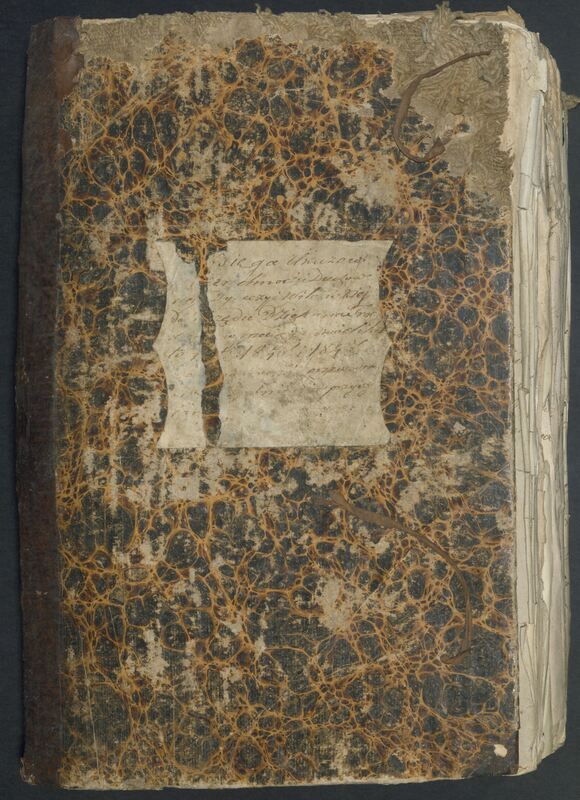
1845-1847 m. Trakų dekanato gautų raštų knyga. Iš Trakų Šv. Mergelės Marijos apsireiškimo parapijinės bažnyčios archyvo. Į knygą surišti raštai gauti iš: Vilniaus vyskupijos Dvasinės konsistorijos vyskupo Jono Cyvinskio, vyskupijos administratoriaus prelato ir Vilniaus katedros kapitulos vikaro V. Žilinsko, Trakų apskrities iždo, Vilniaus dvasinės seminarijos, Vilniaus gubernijos laikraščių kanceliarijos, Kauno apskrities teismo, Trakų apskrities teismo, Trakų apskrities pristavo, Sankt Peterburgo vaikų ligoninės komiteto, Novoaleksandrovsko apygardos valstybinio turto valdybos, Užuguosčio, Barboriškių, Senųjų Trakų, Žiežmarių, Naujųjų Trakų, Vievio bažnyčių klebonų bei vikarų, Vievio stačiatikių cerkvės dvasininko. Visi raštai adresuoti į Žaslių šv. Jurgio bažnyčią, kurios klebonas Silvestras Tomaševičius ėjo Trakų dekano pareigas nuo 1840 m. 1) lapo, kuris buvo sulankstomas kaip vokas, su siuntėjo ir gavėjo adresais, bei dviem antspaudais; 2) paties rašto. Visi į knygą surišti raštai rašyti ranka arba spausdinti rusų kalba. Tik Vilniaus vyskupo J. Cyvinskio raštai rašyti arba spausdinti lenkų kalba. Visi raštai yra pasirašyti. Knygoje įrištų dokumentų turinys labai įvairus – dažniausiai tai konsistorijos įsakymai vyskupijos dekanams, cirkuliarai, kursorijos, raštai einamiems dekanato reikalams tvarkyti, metrinių išrašų reikalavimai, pabėgusių valstiečių paieškos ir kt. Yra 1846 11 26 Dvasinės Kolegijos įsakymas paskirti Vilniaus vyskupijos administratoriumi prelatą V. Žilinską. Raštams naudotas dviejų formatų popierius: 4° ir 8°. Popierius in octavo naudotas spausdintiems konsistorijos raštams ir prašymams dėl metrikų išrašų atsiuntimo. Visoje knygoje įrišti 349 lapai. Knygos formatas 2°. Viršeliai margi, jų pagrindas – storas audinys, nugarėlė ir kampai aptraukti ruda oda. Abiejuose viršeliuose yra po du odinius dirželius, skirtus knygos užrišimui. Ant priekinio viršelio priklijuota balta, karpytais kraštais, kortelė su knygos pavadinimu (įrašas neįskaitomas).