About the Church
The church's history goes back to the 16th century. Sudervė is first mentioned in 1594, when it was assigned to the Orthodox Confraternity of the Holy Trinity in Vilnius. Later, in 1669, the site was acquired by the Jesuit novitiate of Vilnius. Construction of the present masonry church began in 1803 to a design by the renowned Lithuanian architect Laurynas Gucevičius. The building work continued until 1822 and was supervised by Gucevičius's pupil Laurynas Bortkevičius. It is also worth noting that the four evangelist sculptures and the high altar were created by the sculptor Ignotas Gulmanas, while the church's interior decoration was carried out by the painter Napoleonas Ylakavičius.
The church's architecture is striking in its Classicist forms. It has a domed structure with a portico of six Doric columns. In the niches behind the columns stand sculptures of the apostles, created by Pulman. Above the dome rises a lantern topped with a cross. In the churchyard stands a Classicist masonry bell tower and a stone masonry fence.
Over time the church has been repaired more than once: in 1851–1852 (architect Tomas Tišeckis), and in 1876, 1883, 1903 and 1927. The last major repair was carried out in 2015, reviving its historic beauty and ensuring that this remarkable shrine remains alive for future generations.
The Church of the Holy Trinity in Sudervė is not only an architectural monument but also an important place of worship. Since 2005 services have been held here in both Lithuanian and Polish, testifying to the cultural and linguistic diversity of the church's community.
This church is an inspiring example of the merging of history, architecture and religious tradition, inviting every visitor to immerse themselves in the spiritual and artistic world of the past.
Gallery and Resources
Archive captions are shown in Lithuanian.
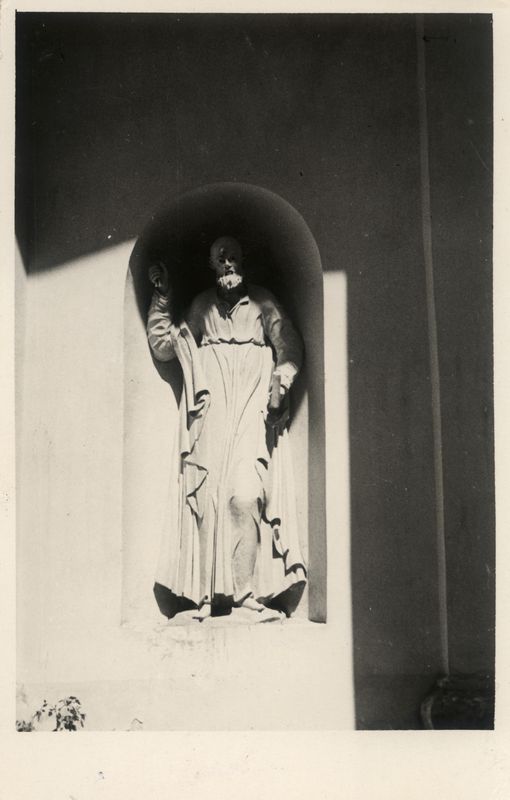
Sudervės (Maišiagalos r.) Šv. Trejybės bažnyčia – klasicistinio stiliaus statinys. Mūrinė, apskrita, su kupolu ir papuošta dorėninėmis kolonomis. Už prieangio kolonų yra didelės nišos su šešių apaštalų skulptūromis. Vaizde – vieno iš apaštalų skulptūra.
Aprašė Aldona Rudzevičienė
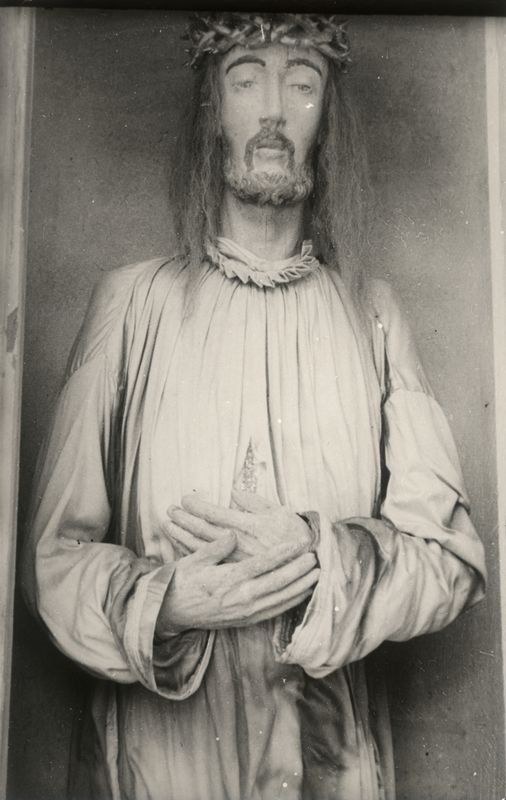
Sudervės (Maišiagalos r.) Šv. Trejybės bažnyčia – klasicistinio stiliaus statinys. Mūrinė, apskrita, su kupolu ir papuošta dorėninėmis kolonomis. Vaizde – bažnyčioje stovinti Kristaus skulptūra.
Aprašė Aldona Rudzevičienė
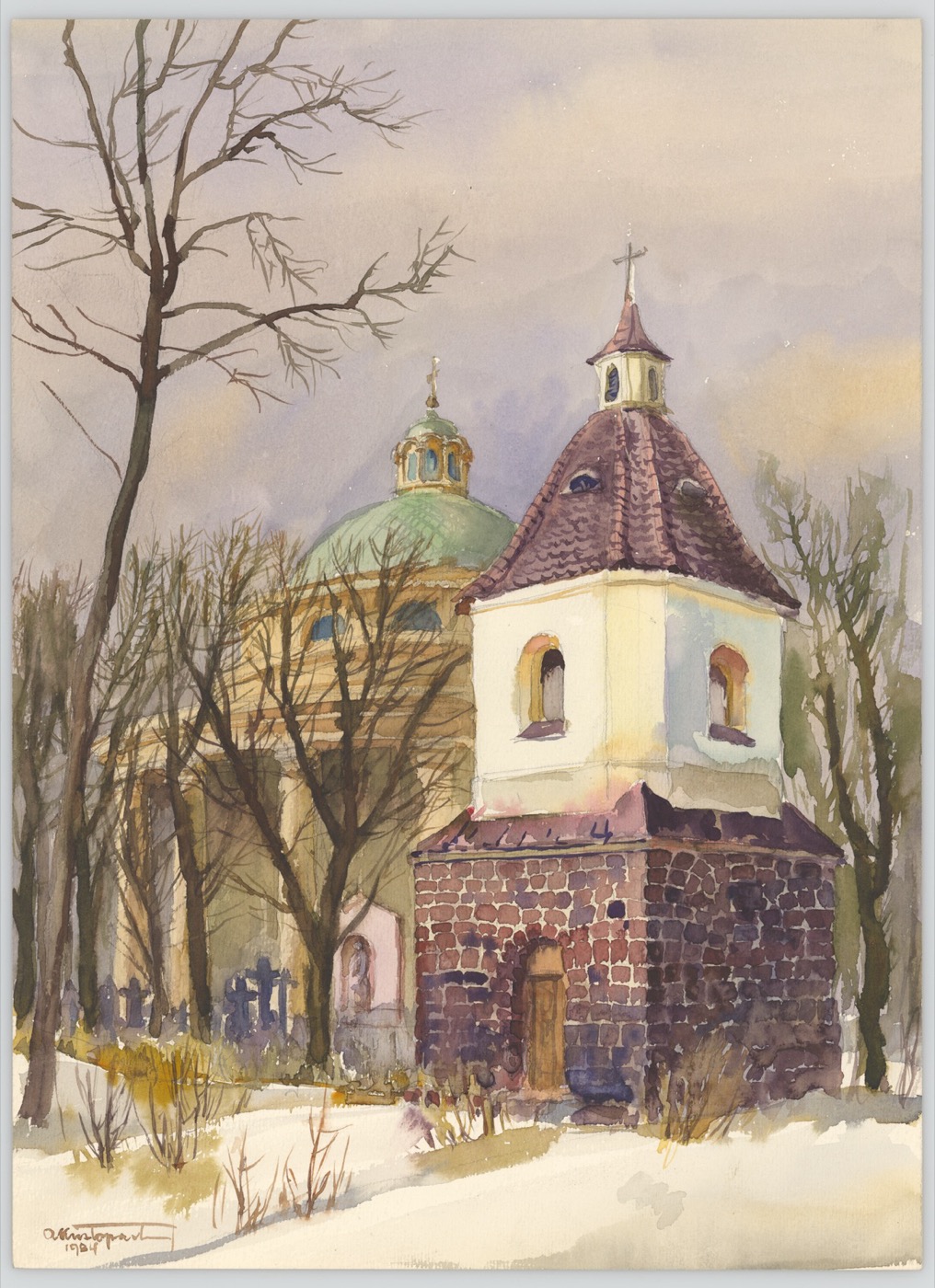
Sudervės Švč. Trejybės bažnyčia dailininko Antano Krištopaičio akvarelėje „Sudervė“. Pirmame plane – akmenų mūro varpinė, už jos kyla klasicistinė rotonda su žaliu kupolu ir žibintu. Akvarelė saugoma Šiaulių „Aušros“ muziejuje.
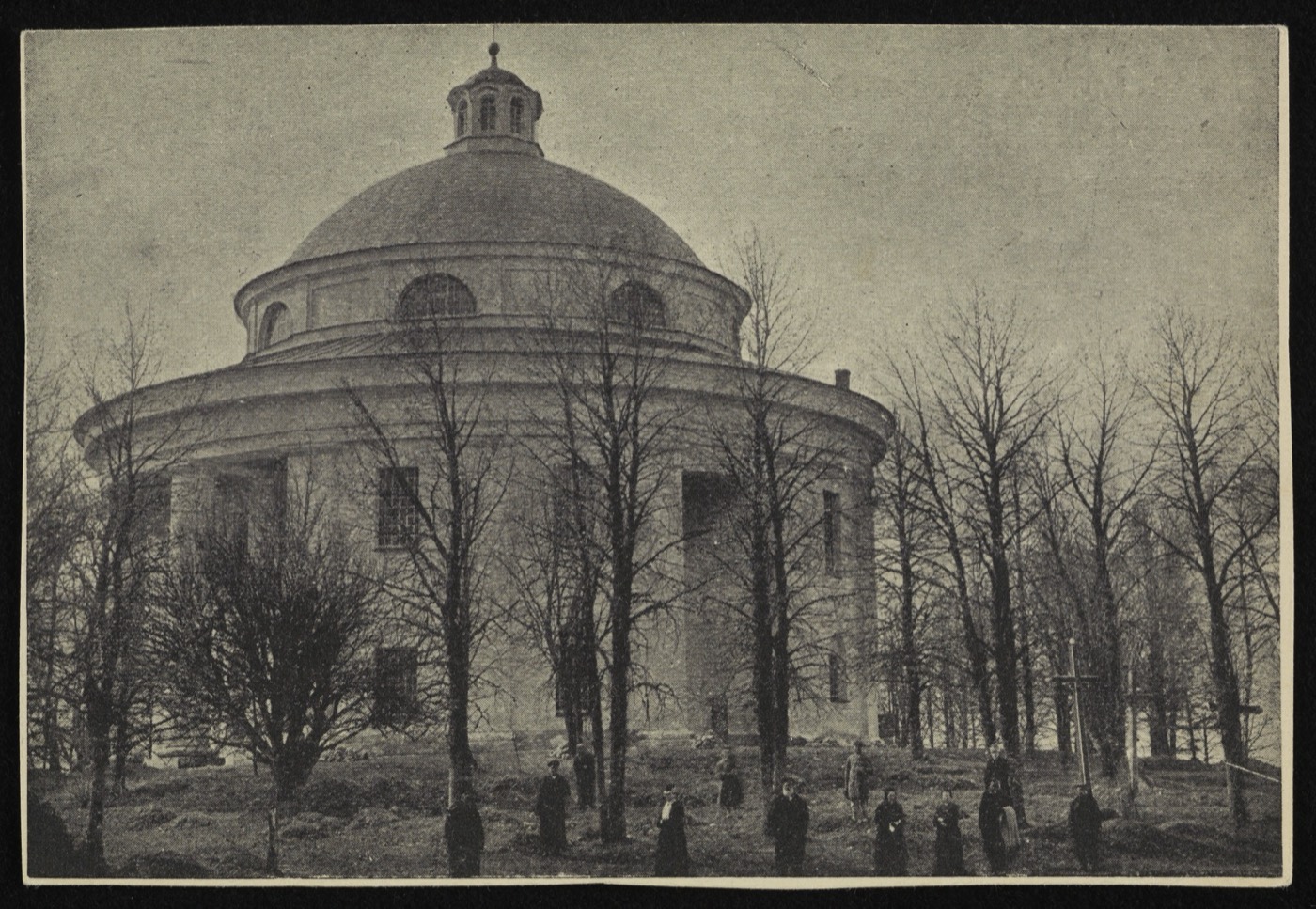
Sudervės Švč. Trejybės bažnyčia XX a. pradžios atviruke, išleistame bažnyčios remontui paremti (spausdinta Juozapo Zavadskio spaustuvėje Vilniuje). Priešais rotondą – parapijiečiai, dešinėje matyti šventoriaus kryžiai. Atvirukas saugomas Lenkijos nacionalinėje bibliotekoje.
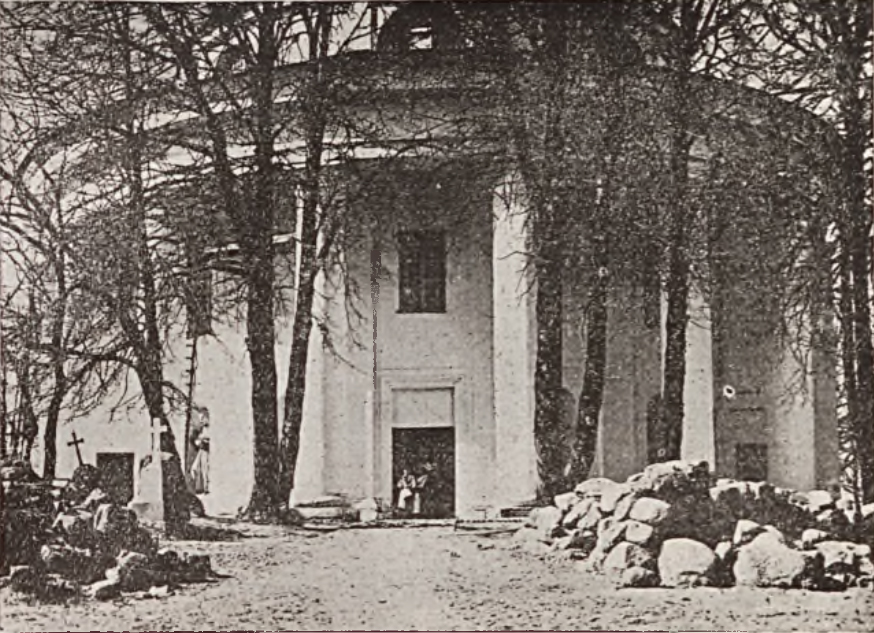
Sudervės Švč. Trejybės bažnyčios dorėninių kolonų portikas ir pagrindinis įėjimas tarpukario fotografijoje, publikuotoje žurnale „Polski Przemysł Budowlany“ (1927 m.). Kairėje – šventoriaus kryžiai.