About the Church
St Ignatius's Church in Vilnius is one of the architectural gems of Vilnius Old Town, well worth a visit not only for its religious significance but also for its interesting and rich history.
The church's history goes back to the early 17th century. The Jesuit order, seeking to strengthen its position in Lithuania, built this magnificent church in 1622–1647. The architect Tomasz Żebrowski, whose name is often mentioned in connection with this church, designed the building taking into account the architectural trends of the time and the wishes of the Jesuits.
In 1737 disaster struck St Ignatius's Church — a fire burned part of the building and destroyed the vaults of the central nave. But this did not stop the Jesuits. The church was rebuilt in 1748–1750. Masonry altars were installed inside, the side chapels were enlarged, and the organ loft was rebuilt. The interior was adorned with paintings and mouldings that gave the church a special beauty and charm. Unfortunately, after the suppression of the Jesuit order, the church was handed over to the Vilnius Theological Seminary, and later to the Russian army's Preobrazhensky Regiment.
At the end of the 19th century the church underwent yet another transformation — it was adapted for use as an officers' club. This was a period when religious buildings often had to change their purpose because of various social and political changes. In the first half of the 20th century, in 1925, St Ignatius's Church was rebuilt to a design by Juliusz Kłos, restoring its early Baroque forms. In 1939, when Vilnius was returned to Lithuania, Mass began to be offered there again for Lithuanian soldiers.
During the Soviet era the church changed once more — it was turned into a warehouse for a film studio. Only in 1991 did new changes begin — a picture gallery operated there and the St Christopher Chamber Orchestra held its rehearsals. In 2004 St Ignatius's Church became a religious site once again and took on a new mission, becoming the principal church of the Lithuanian Armed Forces.
Today St Ignatius's Church is not only a place of religious worship but also a living historical monument, testifying to the dramatic events of the past. Its walls hold many stories that reflect the historical events not only of Vilnius but of the whole of Lithuania. Visiting here, you can feel the historic spirit of both the city and the country.
The church's history goes back to the early 17th century. The Jesuit order, seeking to strengthen its position in Lithuania, built this magnificent church in 1622–1647. The architect Tomasz Żebrowski, whose name is often mentioned in connection with this church, designed the building taking into account the architectural trends of the time and the wishes of the Jesuits.
In 1737 disaster struck St Ignatius's Church — a fire burned part of the building and destroyed the vaults of the central nave. But this did not stop the Jesuits. The church was rebuilt in 1748–1750. Masonry altars were installed inside, the side chapels were enlarged, and the organ loft was rebuilt. The interior was adorned with paintings and mouldings that gave the church a special beauty and charm. Unfortunately, after the suppression of the Jesuit order, the church was handed over to the Vilnius Theological Seminary, and later to the Russian army's Preobrazhensky Regiment.
At the end of the 19th century the church underwent yet another transformation — it was adapted for use as an officers' club. This was a period when religious buildings often had to change their purpose because of various social and political changes. In the first half of the 20th century, in 1925, St Ignatius's Church was rebuilt to a design by Juliusz Kłos, restoring its early Baroque forms. In 1939, when Vilnius was returned to Lithuania, Mass began to be offered there again for Lithuanian soldiers.
During the Soviet era the church changed once more — it was turned into a warehouse for a film studio. Only in 1991 did new changes begin — a picture gallery operated there and the St Christopher Chamber Orchestra held its rehearsals. In 2004 St Ignatius's Church became a religious site once again and took on a new mission, becoming the principal church of the Lithuanian Armed Forces.
Today St Ignatius's Church is not only a place of religious worship but also a living historical monument, testifying to the dramatic events of the past. Its walls hold many stories that reflect the historical events not only of Vilnius but of the whole of Lithuania. Visiting here, you can feel the historic spirit of both the city and the country.
Gallery and Resources
Archive captions are shown in Lithuanian.
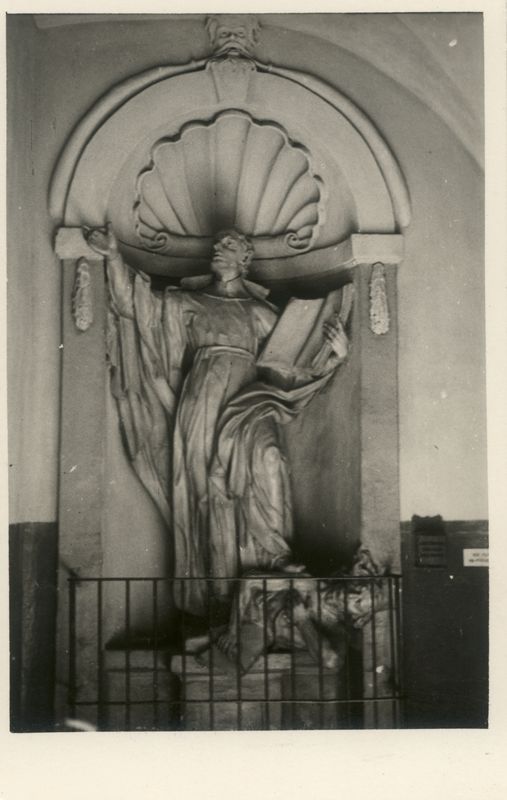
Vilniaus Šv. Jono bažnyčia – gotikinės struktūros ir barokinių formų pastatas. Bažnyčioje yra 23 paminklinės apvaliosios skulptūros ir horeljefai. Vaizde – baroko stiliaus apvalioji skulptūrinė kompozicija „Šv. Ignotas Lojola pamynęs velnią“.
Aprašė Aldona Rudzevičienė
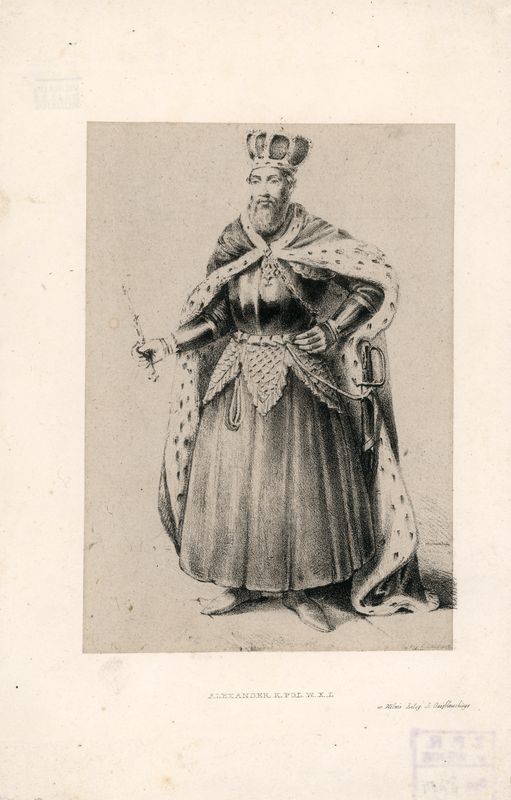
Aleksandras (1461–1506) – Lietuvos didysis kunigaikštis (1492–1506), Lenkijos karalius (1501–1506). Lenkijos ir Lietuvos valdovo Kazimiero Jogailaičio ir Elžbietos Habsburgaitės sūnus, šv. Kazimiero brolis, karaliaus Jogailos vaikaitis. Buvo išsilavinęs, išsimokslinęs (jo mokytojai buvo istorikas Janas Dlugošas ir poetas Filipas Buonakorsis), motinai prižiūrint katalikiškai išauklėtas. Mėgo muziką, meną, kaip politikas ir karvedys nebuvo patyręs, atrodo, neturėjo ir būtinų valdovui savybių. Vis dėlto bandė atsikratyti Maskvos pretenzijų į Lietuvos Didžiajai Kunigaikštystei priklausančias gudų žemes, kariavo dėl jų. Reformavo LDK valstybinį aparatą, pertvarkė kunigaikščio raštinės ir raštvedybos darbą, vadovavo diplomatinei tarnybai. Su žmona Elena, Maskvos didžiojo kunigaikščio Ivano III dukra, daugiausia gyveno Vilniuje, pasistatydino nuolatinę rezidenciją. 1503 didžiojo kunigaikščio įsakymu pradėta mūryti gynybinė Vilniaus siena. Nuolat rėmė Katalikų bažnyčią, į Vilnių atsikvietė vienuolius dominikonus (1501). Šis išraiškingo piešinio valdovo visu ūgiu portretas – 1840 metais Vilniuje išleistos Juozapo Ignoto Kraševskio knygos „Vilnius nuo jo įsikūrimo iki 1750” I tomo iliustracija.
Aprašė Regina Urbonienė
Aprašė Regina Urbonienė